
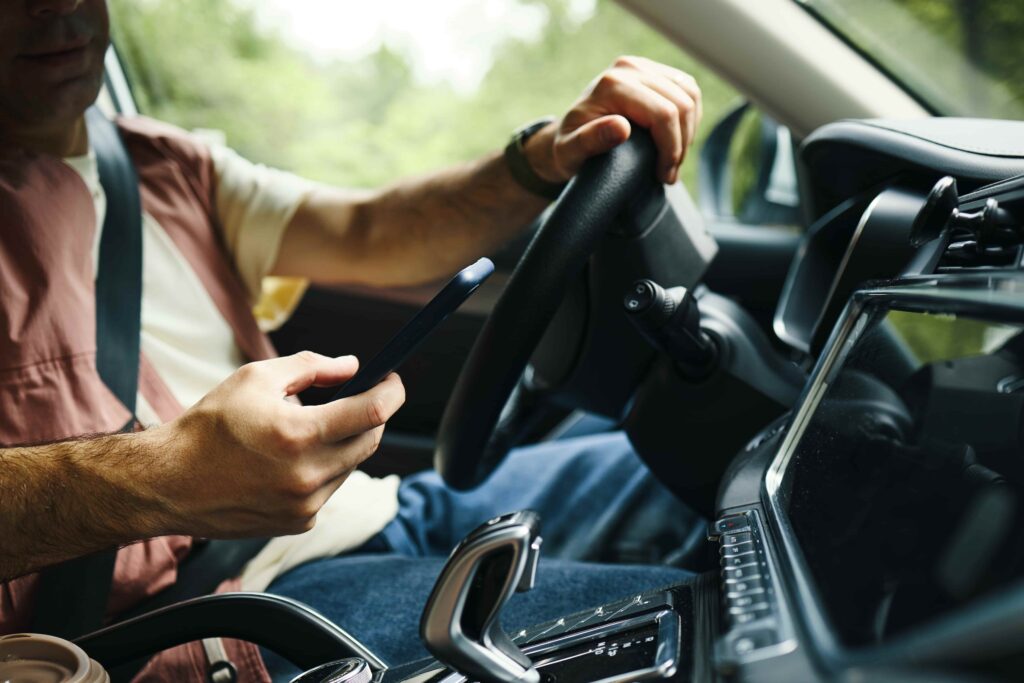
A distracted driving accident leaves more than vehicle damage behind. Medical appointments, time away from work, and constant phone calls from insurance companies can take over daily life. What to do if you’re hit by a distracted driver in Pennsylvania often becomes the first question racing through someone’s mind after a sudden collision.
Confusion, pain, and worry about fault can pile up fast, especially when another driver chooses to look at a phone instead of the road. Many Pennsylvanians also carry the heavy weight of losing a loved one in a distracted driving crash and feel unsure about what steps come next or how responsibility gets proven.
An attorney can protect your interests, gather proof, and deal with insurers that may try to shift blame or downplay losses. At Rieders Travis Dohrmann Mowrey Humphrey & Waters, we understand what it takes to build a strong distracted driving claim and help you pursue the full compensation you deserve.
Call (570) 323-8711 to discuss your case with us.
Key Takeaways: Distracted Driving Accidents in PA
- Distracted Driving Defined: Distracted driving includes texting, using apps, and other activities that pull attention from the road.
- Act Quickly: Quick action after a crash helps preserve evidence and protect your claim.
- Pennsylvania Law: Pennsylvania law bans texting while driving and treats violations seriously.
- Fault and Insurance Rules: Fault rules and insurance laws affect how money gets pursued after a crash.
- Legal Representation Matters: Legal representation helps balance power when insurers or at-fault drivers resist responsibility.
What Should You Do Immediately After Being Hit by a Distracted Driver?
The moments after a crash feel chaotic, but early steps shape how a claim unfolds later. Clear actions protect health, preserve evidence, and reduce opportunities for insurers to twist the story.
Document the Scene and Gather Evidence
Photos and videos taken at the scene often speak louder than words months later. Capture vehicle damage, skid marks, traffic signals, weather conditions, and the other driver’s actions. Exchange contact and insurance details, and write down names and phone numbers of witnesses before everyone leaves.
Seek Medical Attention Right Away
Prompt medical care connects injuries to the crash. Doctors’ notes, test results, and treatment plans create records that insurers review closely. Even soreness that feels minor at first can point to deeper problems, so getting checked protects both health and the claim.
Report the Accident to Police
A police report creates an official record of what happened. Officers document statements, note signs of distraction, and may issue citations. That report often becomes a central piece of evidence during insurance negotiations or court proceedings.
Notify Your Insurance Company
Most policies require timely notice of a crash. Stick to basic facts when speaking with your insurer. Avoid speculation about fault or injuries, and decline recorded statements until legal guidance feels comfortable. We like to see any required forms before they are sent to your insurance company.
Avoid Discussing Fault at the Scene
Emotions run high after a crash, but apologies or guesses about blame can get misused later. Focus on safety and information exchange, and let evidence and investigation determine responsibility.
Understanding Distracted Driving Laws in Pennsylvania
Pennsylvania lawmakers created clear rules aimed at reducing distraction-related crashes. Knowing how these laws work helps explain why certain evidence matters so much in these cases.
Pennsylvania’s Ban on Texting While Driving
State law prohibits drivers from sending, reading, or writing text-based messages while a vehicle moves. Police can stop a driver solely for texting, which means no other violation needs to occur first.
Handheld Device Restrictions Under State Law
Drivers may use phones for calls, but handheld use still raises safety concerns. Activities like scrolling social media, watching videos, or typing emails fall under distracted driving behavior when attention leaves the road.
How Violations Can Strengthen Your Claim
A traffic citation for distracted driving supports arguments about fault. Insurance companies and courts often view statutory violations as strong indicators that the distracted driver caused the crash.
What Types of Compensation Can You Recover?
Money recovered after a distracted driving crash aims to address losses tied to the accident. Pennsylvania law groups these losses into several categories.
Economic Damages for Medical Bills and Lost Wages
Economic damages cover measurable costs. These often include hospital bills, follow-up care, medication, rehabilitation, and income missed during recovery. Pay stubs, invoices, and employer statements help document these amounts.
Non-Economic Damages for Pain and Suffering
Non-economic damages reflect daily discomfort, limitations, and reduced enjoyment of life caused by injuries. Journals, testimony from family members, and medical notes help show how injuries affect routine activities.
Property Damage Claims
Repair or replacement of a vehicle falls under property damage. Estimates, repair invoices, and photos help show the extent of damage and support payment requests. If you put the property damage claim through your own company, you will have a deductible. Many lawyers prefer to make that claim directly to the insurance carrier for the party at fault so that you do not have to deal with the deductible. If you do get paid by your own company and there is a deductible, a claim could be made for that deductible from the party at fault.
Punitive Damages
In some cases, courts may also award punitive damages when a driver’s conduct was especially reckless or egregious. These go beyond compensating losses and are meant to punish particularly harmful behavior.
Understanding Pennsylvania’s Limited Tort vs. Full Tort Options
Pennsylvania drivers choose limited or full tort coverage when buying insurance.
- Limited tort: Allows recovery for medical bills and certain losses, but restricts claims for pain and suffering unless injuries meet the “serious injury” threshold, meaning significant impairment of body function.
- Full tort: Preserves the right to pursue pain and suffering without meeting that threshold.
Reviewing your policy helps clarify which path applies. It is important for an attorney to look at your underwriting documents because sometimes even though you may have chosen limited tort, you still can obtain full tort.
How Do You Prove the Other Driver Was Distracted?
Proving distraction rarely happens by accident. Attorneys play a hands-on role in uncovering proof, preserving it, and presenting it in a way that clearly connects the other driver’s behavior to the crash. Without that effort, key details often stay buried or disappear altogether.
Cell Phone Records and Subpoenas
Attorneys know how to formally request phone records through subpoenas. These records can show calls, texts, or data usage at or near the time of the crash. By comparing timestamps with the accident timeline, an attorney can demonstrate that the driver’s attention stayed on a device instead of the road.
Witness Testimony and Statements
Lawyers track down witnesses, conduct interviews, and preserve statements while memories remain fresh. A bystander who saw a driver looking down at a phone or drifting between lanes can provide powerful support. Attorneys also prepare witnesses to give clear, consistent testimony if the case moves forward.
Police Reports and Traffic Citations
An attorney reviews the police report for notes about distraction, admissions by the driver, or issued citations. If the report lacks detail, a lawyer may follow up with the responding officer or obtain supplemental records to fill in gaps.
Surveillance Footage and Dashcam Evidence
Many intersections, businesses, and vehicles capture video. Attorneys send preservation letters to prevent footage from being erased and request copies before retention periods expire. Video showing a driver holding a phone or failing to react supports arguments about inattention.
Vehicle Data and App Activity
Some vehicles and apps record driving behavior, such as speed changes or screen use. Attorneys work with technical professionals to access and interpret this data when available.
What Is Pennsylvania’s Statute of Limitations for Car Accident Claims?
Pennsylvania generally allows two years from the date of a crash to file a personal injury lawsuit. Courts enforce this deadline strictly. For a full overview of how the statute of limitations applies to injury cases in Pennsylvania, including exceptions, our firm has a dedicated resource.
Exceptions That May Extend or Shorten the Timeline
Certain situations, such as claims involving minors or government entities, follow different rules. Specific facts determine whether deadlines change.
Why Acting Quickly Protects Your Rights
Early action preserves evidence, keeps witness memories fresh, and prevents insurers from arguing that delays weaken the claim.
How Does Pennsylvania’s Comparative Negligence Rule Affect Your Case?
Fault does not always rest with one driver alone. Pennsylvania uses a comparative negligence system to sort out shared responsibility.
Understanding the 51% Bar Rule
Drivers may pursue damages as long as their share of fault stays at 50% or less. Crossing the 51% mark blocks recovery.
How Shared Fault Reduces Your Compensation
Any assigned percentage of fault reduces the amount recovered. For example, a 20% share of fault lowers recovery by that same percentage.
Strategies for Minimizing Your Percentage of Fault
Clear evidence, consistent medical records, and witness testimony help counter claims that shift blame unfairly. Legal advocacy focuses on presenting facts that reflect what truly happened.
Dealing With Insurance Companies After a Distracted Driving Accident
Insurance companies approach claims with profit in mind. Understanding their methods helps level the playing field.
Why Insurance Adjusters May Undervalue Your Claim
Adjusters often rely on quick assessments and generic formulas. These approaches may overlook long-term medical needs or ongoing limitations.
Common Tactics Used to Deny or Reduce Compensation
Some insurers question injury severity, dispute medical necessity, or argue shared fault. Recorded statements and early settlement offers sometimes aim to close claims before full damages become clear. Insurers acting in bad faith may face additional legal consequences beyond the underlying claim.
The Importance of Legal Representation Before Settling
Legal guidance helps evaluate offers and respond to pressure. Attorneys handle communications so you can focus on recovery rather than constant negotiations. If you are wondering whether you can force an insurance company to settle, our firm addresses that question directly.
How Our Firm Can Help
Choosing legal representation brings structure and support during a difficult period. At Rieders Travis Dohrmann Mowrey Humphrey & Waters, our team focuses on accountability and clear communication.
Thorough Investigation of Your Distracted Driving Accident
We gather records, interview witnesses, review phone data, and examine reports to build a complete picture of what happened.
Skilled Negotiation with Insurance Companies
Our attorneys handle discussions with insurers, present evidence of losses, and push back when adjusters attempt to shift blame or undervalue claims.
Trial-Ready Representation When Settlement Isn’t Enough
Sometimes, insurers or at-fault drivers refuse to accept responsibility. In those situations, our firm prepares cases for court and presents them before a judge or jury.
No Upfront Costs with Our Contingency Fee Structure
Clients do not pay legal fees upfront. Fees come from amounts recovered, allowing access to representation without adding financial strain.
FAQs About Distracted Driving Claims in PA
Can I still recover compensation if I wasn’t wearing a seatbelt?
Pennsylvania law may reduce recovery if seatbelt use contributed to injuries, but lack of a seatbelt does not automatically block a claim. Each case depends on specific facts.
What if the distracted driver’s insurance isn’t enough to cover my damages?
Other options may include underinsured motorist coverage or claims against additional responsible parties. Reviewing all available policies helps identify possible sources of payment.
How long does it typically take to resolve a distracted driving claim in Pennsylvania?
Timelines vary based on injury severity, evidence, and insurer cooperation. Some cases resolve relatively quickly, while others take longer when disputes arise.
Can I sue for emotional distress after being hit by a distracted driver?
Pennsylvania allows recovery for mental suffering tied to physical injuries. Medical records and personal testimony often support these claims. This is only possible in the full tort situation.
What happens if the at-fault driver leaves the scene?
Hit-and-run crashes still allow claims through uninsured motorist coverage or other investigative efforts to identify the driver.
Is Pennsylvania a no-fault or an at-fault state for car accidents?
Pennsylvania operates under a choice no-fault system. Drivers select limited tort or full tort when they buy their car insurance. This choice determines your right to sue the at-fault driver for non-economic damages, such as pain and suffering, after a collision, under the no-fault law.
What qualifies as a serious injury under Pennsylvania’s limited tort option?
State law defines a serious injury as one resulting in death, serious impairment of body function, or permanent serious disfigurement. If you choose limited tort, your injury must meet this threshold before you can pursue non-economic damages from the distracted driver. A court or arbitrator determines if an injury satisfies the serious injury standard.
What is subrogation and will it apply to my distracted driving case?
Depending upon who paid for your healthcare, after the use of your initial personal injury protection, there is an issue called subrogation. Healthcare carriers may demand money back from your recovery. Sometimes they are entitled to this, sometimes they are not entitled to this, and other times the amount demanded can be reduced. It is very important that a lawyer be familiar with the subrogation system.
What if the distracted driver was uninsured or doesn’t have enough insurance to cover my losses?
Most people have uninsured motorist coverage and underinsured motorist coverage. The amounts vary depending upon what sort of coverage the victim has chosen and whether the company has utilized the appropriate paperwork. This underinsurance coverage, in particular, is extremely important because it may represent substantial additional money that you are entitled to as a result of being hit by a negligent driver. This is a complex and unique situation in Pennsylvania, and you need to make sure that you have a lawyer who understands the system.
Contact Our Distracted Driving Accident Attorneys in Pennsylvania Today

Distracted driving cases depend on timely action. Evidence fades, memories blur, and insurers move quickly to protect their interests. Rieders Travis Dohrmann Mowrey Humphrey & Waters offers dedicated advocacy, detailed investigation, and steady guidance throughout the claims process.
Contact us today at (570) 323-8711 for a free, confidential case evaluation.
