Senate Bill No. 351, Session of 2011, Printer’s No. 2326, was recently enacted in the law.
This legislation is another boutique immunity, intended to protect the health care providers who make serious mistakes that may kill or maim their patients. The law is terrible and represents another reason why preventable medical deaths in U.S. hospitals is at almost 200,000 per year. The Institute of Medicine, in 1999, set the number at just under 100,000.
One of the leading causes of death in this country are preventable medical errors in hospitals, according to Dr. Gupta.
The Good Samaritan Civil Immunity law pertains to use of AED devices, automated external defibrillator. The law says that any person, including an emergency response provider, even if that person is not trained to practice medicine, who “in good faith” renders emergency care or treatment will not be liable for any civil damages as a result of the care required except if the action is intentionally designed to cause harm or grossly negligent.
Everyone acts in good faith when they give care. The insertion of the “good faith” language is meaningless.
What is important is that the so-called Good Samaritan health care providers need no longer comply with an ordinary standard of care as judged by the conduct of others giving the same medical attention. In other words, those who act under the strictures of this law may be negligent and there is no compensation to the person who was hurt.
Why carve out special exceptions for health care providers? In society everyone must comply with standards of reasonable care. A health care provider must give the same care, treatment and attention to a patient as a person would in like circumstances. That is called reasonable care. It makes sense and it works. It is the carrot and stick approach which has worked for hundreds of years under our common law system.
If a person does not act with reasonable care, complying with standards of like treaters, why should they not compensate through their insurance coverage the people they have hurt? This sort of boutique immunity is detrimental to good health care, drives up the number of injured people, and ultimate results in higher insurance premiums for everyone. It is a bad law, it is bad policy, and it is bad for both patients and providers.
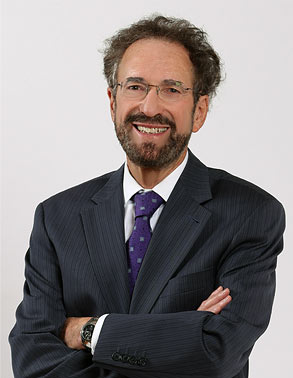
Attorney Cliff Rieders
 Cliff Rieders is a Nationally Board Certified Trial Lawyer practicing personal injury law. A large part of his practice involves multi-district litigation, including cases related to pharmaceuticals, vitamin supplements and medical devices. He is admitted in several state and federal courts, as well as the Supreme Court of the United States. Rieders is the past regional president of the Federal Bar Association and is a life member of the distinguished American Law Institute, which promulgates proposed rules adopted by many state courts. He is a past president of the Pennsylvania Association for Justice, formerly Pennsylvania Trial Lawyers Association. As a founder of the Pennsylvania Patient Safety Authority, he served on the Board for 15 years.
Not only has Rieders held many highly esteemed, leadership positions, he authored legislation related to the Patient Safety Authority and the Mcare Act, which governs medical and hospital liability actions in Pennsylvania. He authored texts upon which both practitioners and judges rely, including Pennsylvania Malpractice Laws and Forms, and Financial Responsibility Law Issues in Pennsylvania, the latter governing auto and truck collisions in Pennsylvania. In addition, he wrote several books on the practice of law in Pennsylvania regarding wrongful death and survivor actions, insurance bad faith, legal malpractice claims and worker rights, among others. Rieders also serves as a resource to practitioners as a regular speaker for Celesq, an arm of the world’s largest legal publisher, Thomson Reuters West Publishing.
As recognition of his wide range of contribution to his profession and of his dedication to protecting the rights of his clients, he received numerous awards, among them the George F. Douglas Amicus Curiae Award, the Milton D. Rosenberg Award, the B’nai B’rith Justice Award, and awards of recognition from the Pennsylvania Trial Lawyers. [ Attorney Bio ]
Request Free Personal Injury Case Review

An experienced Pennsylvania personal injury lawyer can make all the difference. Send the below form to set up your free personal injury consultation.
RIEDERS, TRAVIS, DOHRMANN, MOWREY, HUMPHREY & WATERS
161 W 3rd St
Williamsport, PA 17701